


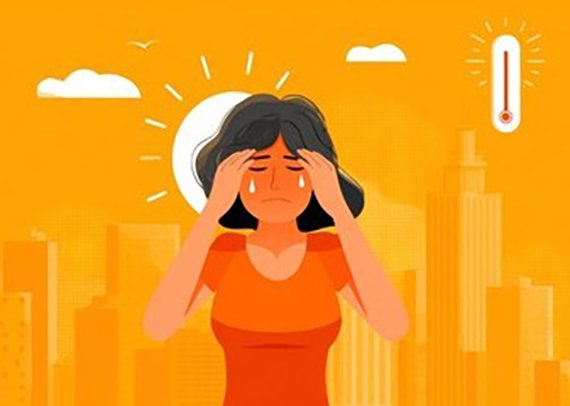
Of all extreme weather conditions, heat is the deadliest. Human bodies have a natural cooling system — sweat — but that system can do only so much in high temperatures and humidity.
But how exactly does heat kill? Here’s the science behind what happens to the body in extreme temperatures, including the three main ways heat can shut down vital systems, as well as tips to stay safe, cool down and fend off heatstroke.
Sweating it out this summer? Sweltering heat can not only be irritating – it can be deadly. Extreme heat kills more people in the U.S.A. in a given year than hurricanes, tornadoes, and floods combined. Let’s breakdown the main ways that heat can kill, and the signs of danger:
Organ Failure. When your body is exposed to high heat, it tries to cool down by sweating and directing more blood to the skin. But that means less blood and less oxygen go to your gut. This can happen in dry heat too, but high humidity can make it harder for your body to cool off. That’s because sweat doesn’t evaporate as quickly when its high humid. If the redirection of blood happens for too long, your gut can become more permeable. Toxins that usually stay inside the gut start leaking out. These toxins can trigger inflammation and other effects, like blood clots, that eventually can lead to multiple organ failure.
Heart Attack. When your body pumps more blood to the skin to cool itself, arteries widen, lowering blood pressure. This means the heart needs to work harder to keep blood pressure up. This added stress on the heart can trigger a heart attack or stroke. Older adults and people with underlying heart conditions may be at higher risk.
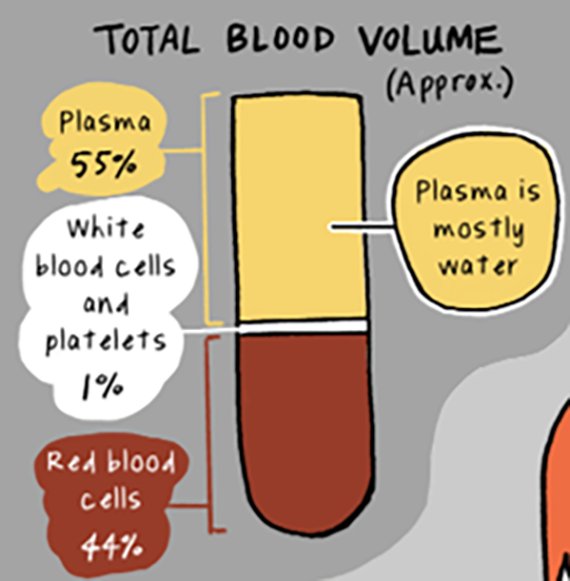
Kidney Failure. When you sweat, you lose water. In one hour, you can lose up to 1.5 liters of water. If you don’t replenish those fluids, you get dehydrated and your blood volume shrinks.
Then your heart and kidneys need to work harder to maintain blood pressure, which can lead to kidney failure, and be fatal. Another danger to yoiur kidneys comes from physical activity in high heat. Sometimes muscle tissue can break down and release proteins into the blood, which can clog kidneys. People who work outdoors in high heat, and people with kidney disorders, have a higher risk.
How hot is too hot? There’s no absolute temperature at which extreme heat can be dangerous. Here’s what to watch out for:
- It’s riskier if you’re not acclimated to high heat.
- The longer you’re exposed, the higher the risk.
- People can become overwhelmed sooner in high humidity than in dry heat.
- Stay in the shade – direct sun heats us up faster.
Who’s most at risk?
- Young children, whose bodies are still learning to regulate temperature.
- People who do strenuous physical activities outdoors.
- Older folks, who may have a reduced ability to sweat, and people with chronic conditions like heart disease.
- Pregnant women, whose bodies have to work harder to regulate temperature.
But know that even young, healthy people can succumb to extreme heat.
What should you watch out for?
- Keep and eye out for the first signs of heat exhaustion: headaches, dizziness, lethargy, feeling unwell in general.
How to stay safe?
- Drink plenty of water before you head into the heat, and every 15 to 20 minutes when you’re physically active in the heat.
- Consider adding electrolytes to your water, to replace those you’ve lost.
- If you start to feel overheated, wet your clothes or skin, and immerse your feet in cold water. Seek shade, or better yet, head to a cool spot indoors.
- The goal is to cool down so heat exhaustion doesn’t progress. Signs of that include: vomiting, rapid breathing, confusion, loss of coordination.
If your body temperature rises above 104 degrees Fahrenheit, you risk heat stroke, which can be deadly.
So, keep an eye out for heat advisories in your area. Staying alert can help you stay safe.