

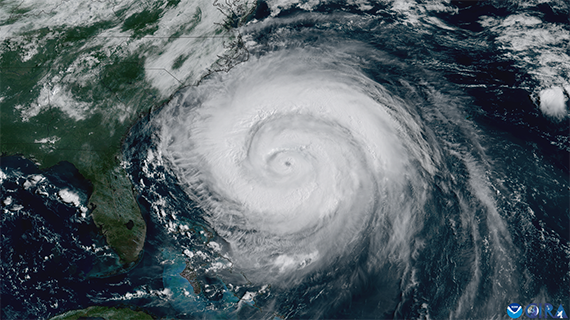
Hurricane season is upon us! The Safety Committee reminds everyone to be prepared. Let’s hope you don’t have to use any of the following, but please be prepared just in case!
Get ready for hurricane season
Take action TODAY to be better prepared for when the worst happens. Understand your risks, and begin pre-season preparations now. Make sure you have multiple ways of receiving forecasts and alerts, and know what to do before, during, and after a storm. Hurricane season starts on June 1 in the Atlantic and the Caribbean; it ends on November 30.
Make a plan
• Before hurricane season each year, be prepared by planning ahead.
• Write down emergency phone numbers and keep them on the refrigerator or near every phone in your house. Program them into your cell phone too.
• Prepare an emergency supply kit.
• Locate the nearest shelter and different routes you can take to get there from your home.
• Pet owners: Pre-identify shelters, a pet-friendly hotel, or an out-of-town friend or relative where you can take your pets in an evacuation. Local animal shelters may be able to offer advice on what to do with your pets if you are asked to evacuate your home.
Know the difference between a hurricane “watch” and “warning”
Listen for National Weather Service alerts on TV, radio, or online. There are two kinds of alerts:
• A hurricane watch means hurricane conditions (sustained winds of 74 miles per hour (or higher) are possiblein a stated area. Experts announce hurricane watches 48 hours before they expect tropical-storm-force winds (sustained winds of 39 to 73 mph) to start.
• A hurricane warning is more serious. It means hurricane-force winds are expected in a stated area. Experts issue these warnings 36 hours before tropical-storm-force winds are expected in the area to give people enough time to prepare.
Gather emergency supplies
During and after a hurricane, you may need supplies to keep your family safe and healthy. Remember that a hurricane could cut off your power and water supply. You may also not be able to drive because of damage to your car. Roads may be flooded or blocked.
So, stock up on everything you might need now. Be sure to prepare the following:
• An emergency food and water supply.
• An emergency medicine supply.
• Emergency power sources such as flashlights (don’t forget extra batteries).
• Important documents, including medical documents, wills, passports, and personal identification.
• A fire extinguisher. Make sure your family knows where to find it and how to use it! Read the National Fire Protection Association’s tips for using fire extinguishers
Get your home ready
Clear your yard. Make sure there’s nothing that could blow around during the storm and damage your home. Move bikes, lawn furniture, grills, propane tanks, and building material inside, or under shelter.
• Cover up windows and doors. Use storm shutters to protect your windows. This can help keep you safe from pieces of shattered glass.
• Be ready to turn off your power. If you see flooding, downed power lines, or you have to leave your home, switch your power off.
• Fill clean water containers with drinking water in case you lose your water supply during the storm. You can also fill up your sinks and bathtubs with water for washing.
• Check your carbon monoxide (CO) detector’s battery to prevent CO poisoning.
• CHARGE UP! Remember to keep your cell phones, computers, and power banks fully charged prior to any warnings in the event of a power outage.
• Take up-to-date photos of the inside and outside of your home (including the garage) and keep your cell phone, tablet, or PC.
• Back up your PC and store the thumb drive in a secure place.
• Put towels on the window sills and in front of the Lanai doors.
Get your car ready
Make sure your car is ready before the storm hits.
• Fill your car’s gas tank.
• Move cars and trucks into your garage or under cover.
• Always keep an emergency kit in your car.
Get your family and pets ready
• Go over your emergency plan with your family.
• Keep checking for updates about the storm.
• Call the hospital, public health department, or the police about special needs. If you or a loved one is older or disabled and won’t be able to leave quickly, get advice on what to do.
• Put pets in a safe place.
Be ready to evacuate or stay at home
Always listen to authorities regarding whether you should evacuate or stay at home.
• If a hurricane is coming, you may hear an order from authorities to evacuate. Never ignore an order to evacuate. Even sturdy, well-built houses may not hold up against a hurricane. Staying home to protect your property is not worth risking your health and safety.
• You may hear an order to stay at home. If driving conditions are dangerous, staying at home may be safer than leaving.
If you need to evacuate:
• Grab your emergency supply kit and only take what you really need with you (cell phone, chargers, medicines, identification like a passport or license, and cash).
• Unplug your appliances. If you have time, turn off the gas, electricity, and water.
• Turn off your ice maker.
• Follow the roads that emergency workers recommend, even if there’s traffic. Other routes might be blocked or flooded. Never drive through flooded areas—cars and other vehicles can be swept away or may stall in just six inches of moving water.
• Contact your local emergency management office and ask if they offer accommodations for owners and their pets. Learn more about evacuating with your pet.
If you need to stay home:
• Keep your emergency supply kit in a place you can easily access.
• Be sure you have batteries for your flashlights and radio.
• Listen to the radio or TV for updates on the hurricane.
• Stay inside. Even if it looks calm, don’t go outside. Wait until you hear or see an official message that the hurricane is over. Sometimes, weather gets calm in the middle of a storm but then quickly gets bad again.
• Stay away from windows—you could get hurt by pieces of broken glass or flying debris during a storm. Stay in a room with no windows, or go inside a closet.
• Be ready to leave. If emergency authorities order you to leave, or if your home is damaged, you may need to go to a shelter or a neighbor’s house.
Our Safety Committee has also developed a detailed Disaster Planning “To-Do” Checklist for our membership. It’s a multi-page document which will help you plan for any possible disaster. Go to: https://www.hpgcc.com/Community_(2)/Resource_Center/Disaster_Planning on our HP website.