


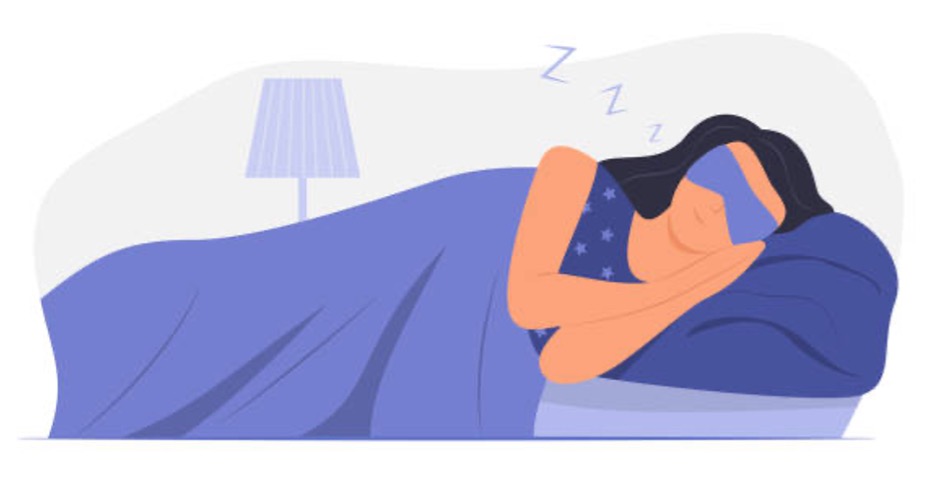
“I’ll sleep when I’m dead” is something of a slogan among highly productive people. Yet, research is clear that anything short of the recommended seven to nine hours of sleep will yield poor health outcomes. Science demonstrates that adequate sleep is one of the most vital things we can do for our body, while skipping out on valuable sleep can quickly impact our health markers. Lack of adequate sleep is associated with premature death, dementia, and a host of other health concerns.
You may remember in last month’s issue of Between the Palms, we briefly touched on the Five Super Powers of Wellness: nutrition, movement, mindset, connection, and sleep. There is a good reason why sleep and rest are counted as one of these superpowers.
Physical Rejuvenation: Deep Sleep
When we sleep, our body goes through a specific sequence of four types of sleep: periods of very light sleep (even waking), REM (rapid eye movement) sleep, light sleep, and deep sleep, all occurring throughout the night in roughly 90-minute cycles. When we first drift off to sleep, we will spend more time in light and deep sleep. It is in these states of light and deep sleep that our physical body is restored – growth hormone and testosterone are released, toxins are removed, and memory is consolidated. Essentially, we are physically restored more so earlier in our nightly sleep routine.
However, this assumes that we are going to bed at our standard time and according to our natural circadian rhythm. If we get to bed much later, we will naturally move through this physically restorative period more quickly and spend most of our sleep with significantly more REM sleep, which helps restore our mental and emotional state.
Mental and Emotional Rejuvenation: REM
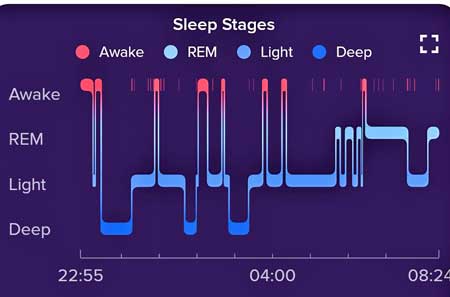
During the later stages of sleep, particularly REM sleep, the brain undergoes essential processes that contribute to emotional well-being and cognitive function. Sleep Expert Dr. Matt Walker (bio below) highlights that REM sleep acts as a form of “overnight therapy,” where emotional memories are reprocessed without the influence of noradrenaline, a molecule tied to anxiety. This unique condition allows for the emotional impact of past experiences to lessen, facilitating recovery from stress. Moreover, REM sleep fosters creativity and problem-solving by forming new connections between existing memories and information. The reduced activity in the prefrontal cortex during this stage encourages open thought and flexibility, enabling the brain to uncover insights. Additionally, while deep non-REM sleep helps reinforce individual memories, REM sleep further enhances memory consolidation by integrating new information with what we already know.
Full Restoration and Optimal Health and Performance
Thus, a whole night’s sleep is imperative for optimal health and performance, as going to bed later will miss our physical restoration period, and waking earlier will prevent our necessary mental and emotional restoration.
Sleep Chronotypes
“The early bird gets the worm” is another often-repeated slogan that causes most of the population to feel great pride and accomplishment following their early morning wake-up while causing others to feel guilty or attempt to change their natural biological clock.
Dr. Walker explains that there are five different chronotypes for sleep, and unlike circadian rhythm, these chronotypes are genetic and cannot be altered. Understanding our chronotype is crucial for meeting our sleep and rest needs and living the highest quality of life possible.
If you would like to know your chronotype and what it means, you can follow this link to a sleep chronotype quiz or MEQ and more detailed information about how to best make use of this information can be found here.
If you want to learn more about the importance of sleep and rest, follow this link to a concise video from Dr. Walker.
Sleep Tracking
It easier than ever to track our personal sleep habits through wearable devices – iPhone, Android, Quora Ring, etc. which are linked to applications on our phones. If you are unsure how to access or use your wearable device, or which device would be best for you, please reach out to me and we can look at your options together. If you are having difficulty falling asleep or remaining asleep, I would welcome a chat with you one-on-one to go over available resources and information to maximize your physical and mental restoration.
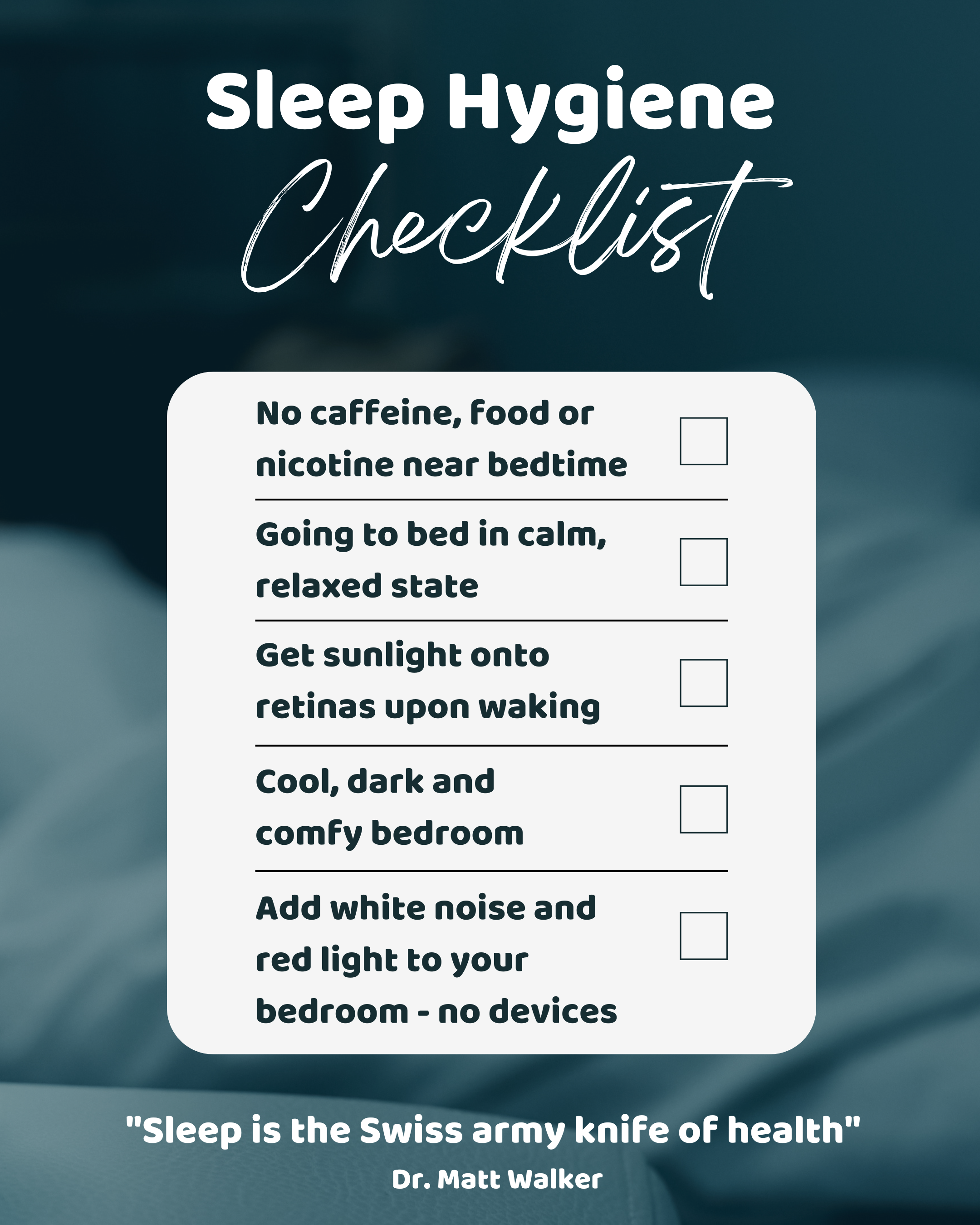
Dr. Matthew Walker is a highly qualified sleep expert with a background in neuroscience and psychology. He holds a Ph.D. in neurophysiology from the Medical Research Council in London, and is currently a professor of neuroscience and psychology at the Univ. of CA, Berkeley. He is also the founder and director of the Center for Human Sleep Science at the Univ. of CA, Berkeley.